
Applications for the 2026 Challenge close on November 12.
The idea is simple. You raise money from the people who care about your garden, and we add grant money on top, based on how your campaign goes.
This year we are awarding 432 grants of $100 to $1,000 to public food gardens.
Running a campaign
The Challenge is a 30-day fundraising drive, running this year from November 15 to December 15.
You get a campaign page carrying your garden’s story and photos. You share it with your neighbors, your congregation, your parents’ association, your mailing list. They give directly to your project. At the end of the 30 days the money you raised is yours, and grant money is awarded on top of it. No platform fee is taken out of what you raise.
Last year 704 gardens took part and raised $519,563 between them, an average of about $740 per garden before grants. 327 of them also earned grant money.
How grants are awarded
Grants go to campaigns that do well, and there are several chances to earn one. Strong Start grants reward gardens that get off the mark quickly. Strong Finish grants reward a strong close. The main Challenge grants are awarded on overall performance, and there are geographic grants for particular regions. Many gardens earn more than one and stack them.
With 432 grants available and a few hundred gardens taking part, about half of participating gardens earned grant money last year. What counts is how well you mobilize the people who already care about your garden, so a project raising a few hundred dollars from twenty neighbors is in a real position to earn something.
Who it is for
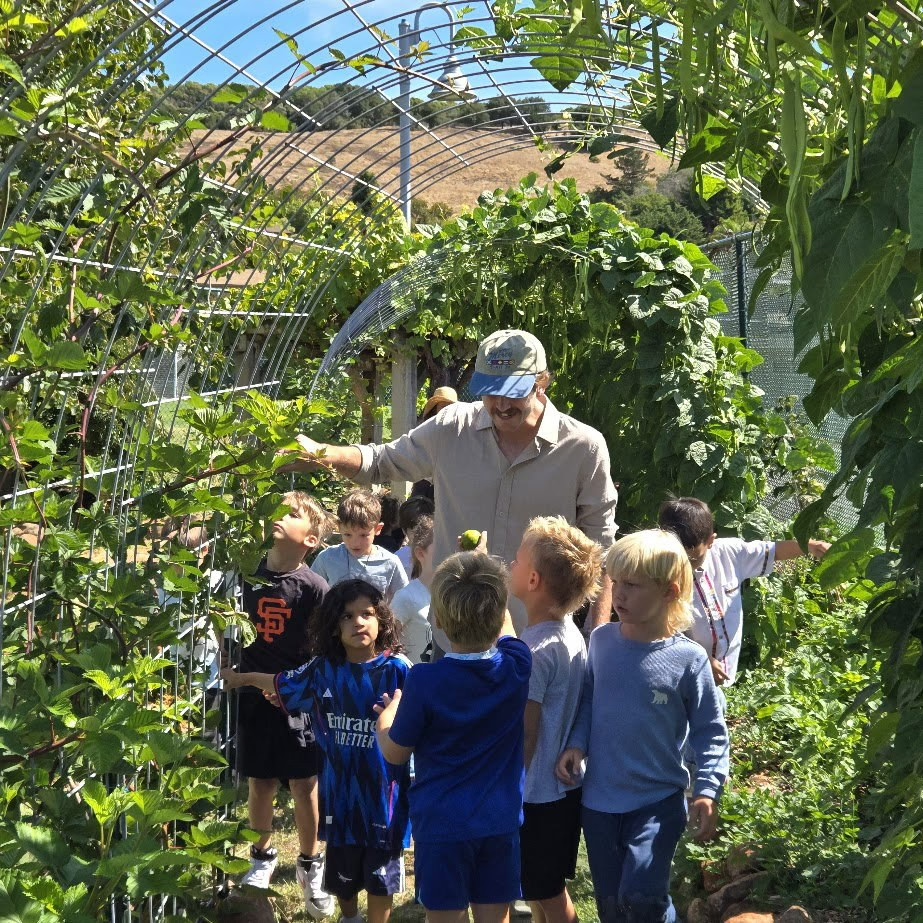
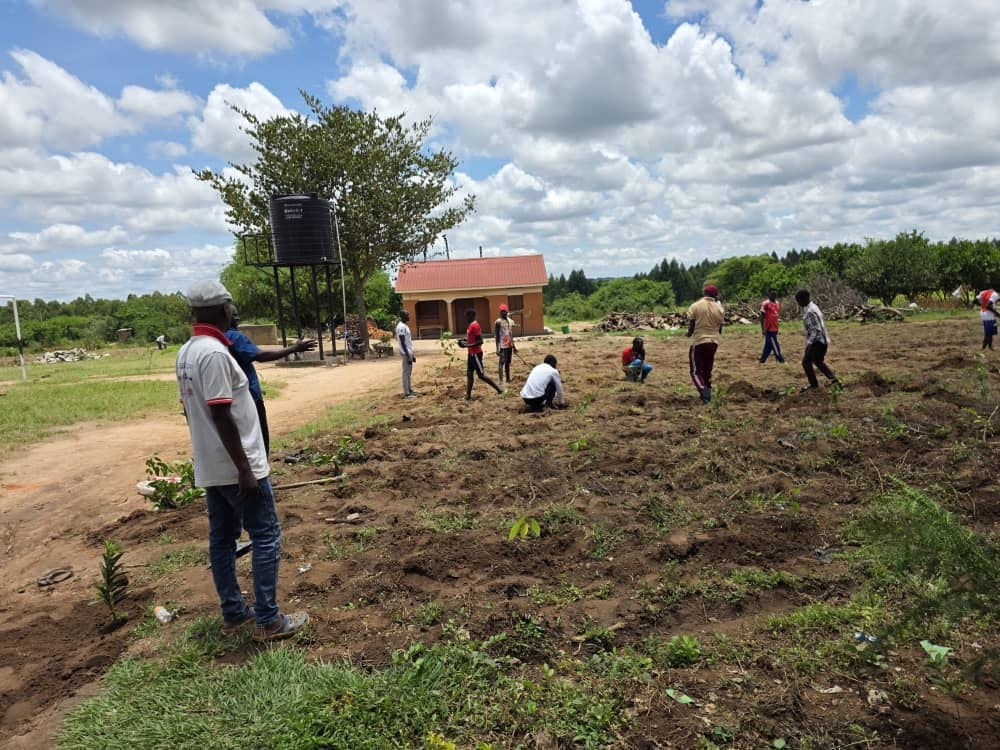
Public food gardens anywhere in the world. School gardens, community gardens, food bank plots, church gardens, prison gardens, refugee resettlement gardens. We have funded 3,687 projects across 65 countries since 2013, and most of them are small.
Grants are paid to a registered nonprofit, a school, or a government body. If your garden is one of those, or sits inside one, you are ready to apply. If it is an independent group, you can apply with a fiscal sponsor, meaning an organization that agrees to receive the funds and pass them on. Many of our funded gardens work this way.
If you are not certain how your project is set up, write to us before you apply and we will help you work it out.
The application
Four questions about your garden, plus photos. Most people finish in about twenty minutes.
We ask who you are, what the garden does, who it serves, and what you would do with the money. Write a short paragraph for each.
Photos do a lot of work here. They are what makes a campaign page worth sharing, and they are often the difference between a page that raises $200 and one that raises $2,000. Three or four good ones are plenty.
Dates
Applications close November 12. We review and approve campaigns over the days that follow, and the Challenge opens on November 15. Campaigns run to December 15, carrying them across Giving Tuesday and the end-of-year giving season.
If you have taken part before, we moved to a new platform this year, so you will need to create a new account. It takes a minute.
A campaign over time
Garden Time runs gardens at Rhode Island’s state correctional facilities, built in 2011 by Kate Lacouture and Vera Bowen alongside the men who live there. They have run a SeedMoney campaign every year since 2015.
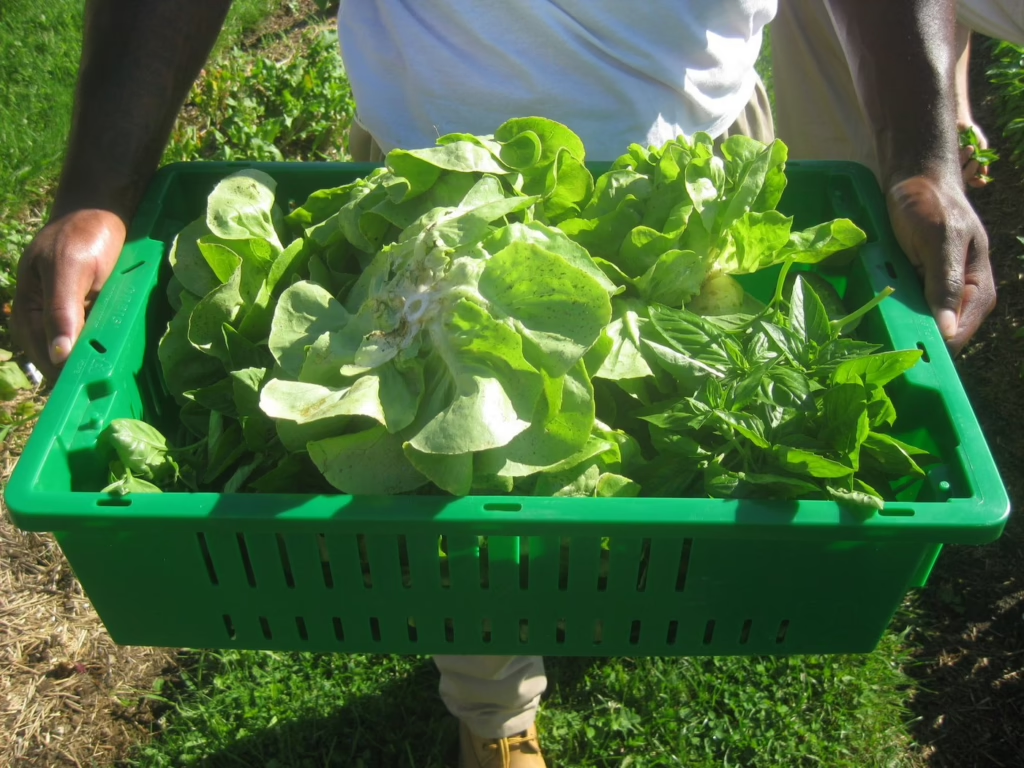
Their first, in 2015, raised $2,623. Last year’s raised $7,680 from 36 donors against a $7,500 goal, and earned $600 in grants on top.
Eleven years of asking the same community, which has grown a little each time. The gardens that get the most from the Challenge tend to treat it as an annual habit rather than a one-off application.
Apply
Applications close November 12, 2026. Start at seedmoney.org/apply.
Questions about eligibility, fiscal sponsorship or anything else: challenge@seedmoney.org.